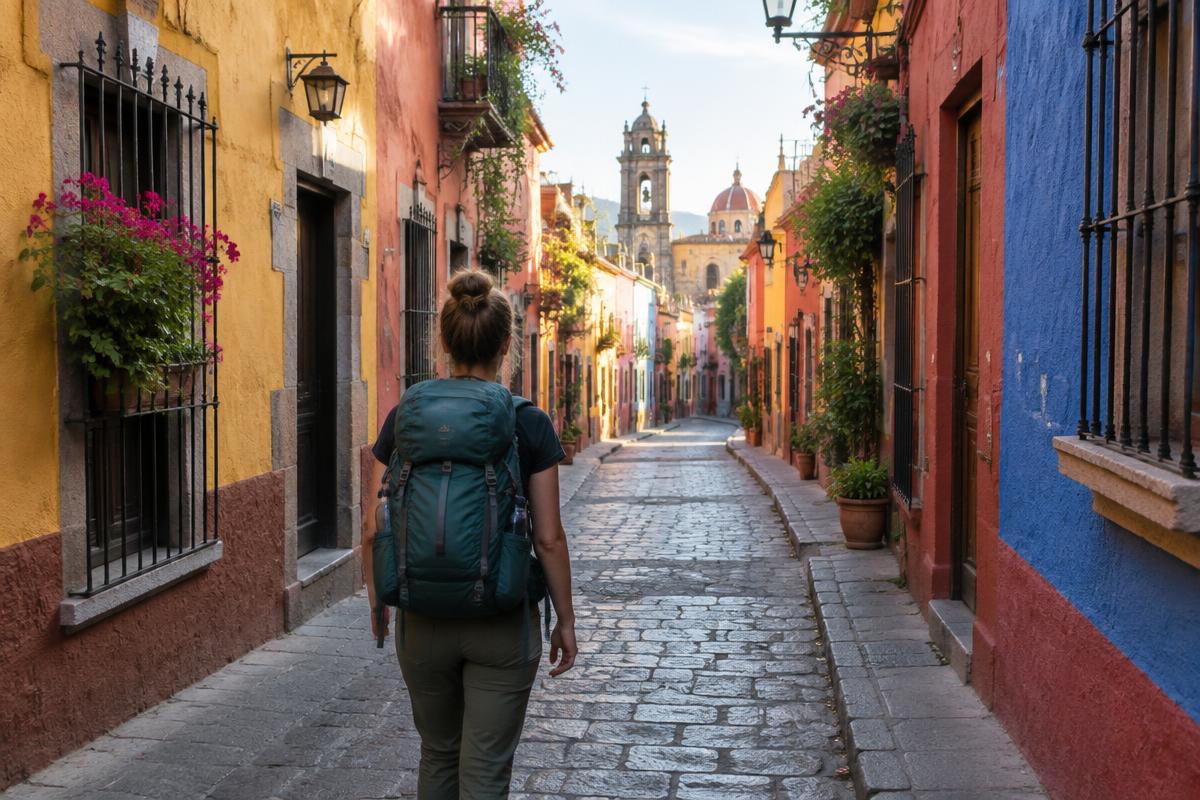
A Beginner's Guide to Solo Travel
By Ananya Rao8 min read
Solo travel can feel intimidating before you try it and liberating once you do. You choose where to go, when to wake up and how long to linger. You also learn to trust yourself in new situations. With a little preparation, a first solo trip can be one of the most rewarding journeys you ever take.
Choosing a destination
For your first trip, choose a place with good transport links, a well-established traveller scene and a reputation for being welcoming. Cities with walkable centres and plenty of hostels or guesthouses are ideal. Starting somewhere where you speak the language, or at least recognise the script, can ease you in.
Planning
Book your first one or two nights in advance so you arrive with a clear destination. Research how to get from the airport or station to your stay, and keep a rough plan with room for spontaneity.
Accommodation
Hostels with private rooms combine security with social spaces. Look for places with strong recent reviews, 24-hour reception and central locations. Many travellers also enjoy homestays for the chance to experience local life.
Staying connected
Get a local SIM or eSIM, share your itinerary with someone at home and agree on regular check-ins. Download offline maps and translation apps in case you lose signal.
Personal safety
Trust your instincts. If a situation feels wrong, leave. Keep valuables out of sight, use registered taxis or ride-hailing apps, and avoid arriving in a new place late at night when possible.
Meeting people
Join walking tours, cooking classes or group day trips. Hostel common areas, co-working cafés and local events are great places to strike up conversations. You will often find that solo travellers are rarely alone for long.
Handling emergencies
Know the local emergency numbers, save your country's embassy contact details if abroad, and keep digital and physical copies of important documents. Carry a backup card separately from your main wallet.
Responsible travel
Support small, locally owned businesses, learn a few words of the local language and respect cultural norms. Solo travellers have the flexibility to slow down and travel more thoughtfully.
Conclusion
Your first solo trip does not need to be dramatic or far away. Start small, prepare well and stay curious. You may find that travelling alone is one of the best ways to understand both the world and yourself.
Back to ArticlesRelated Articles
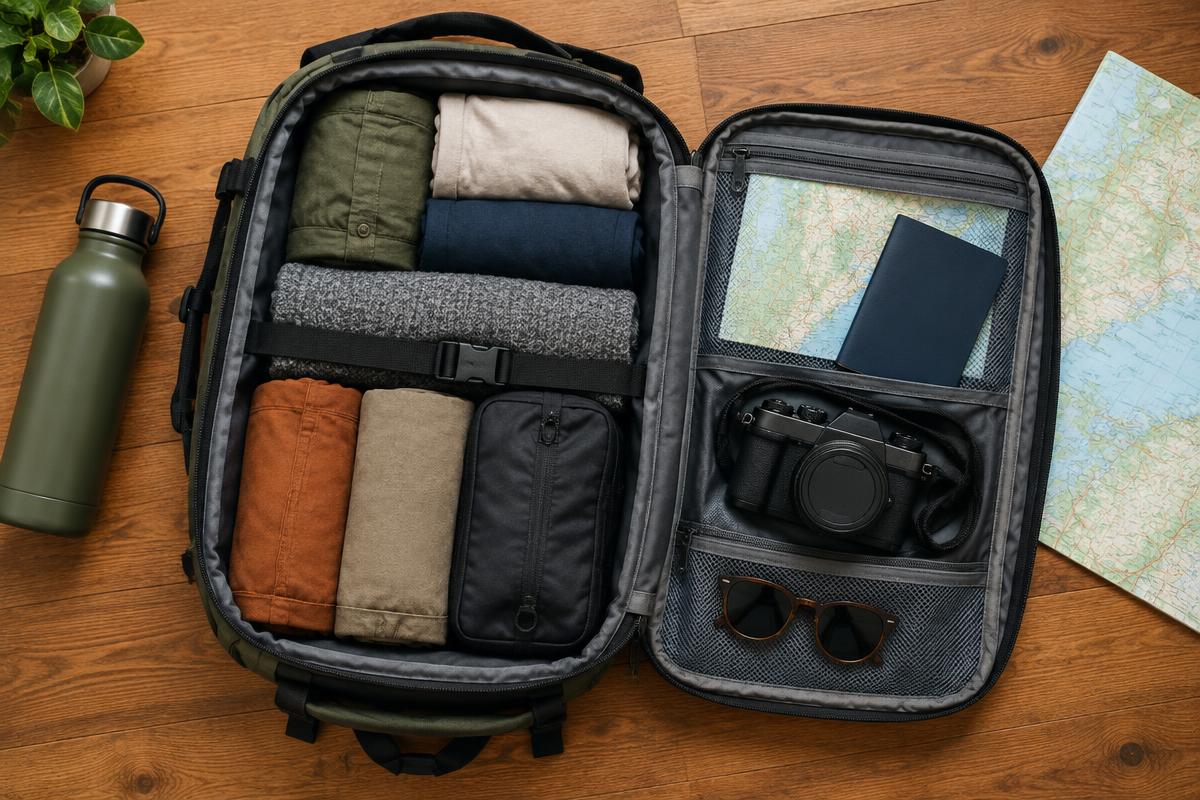
Essential Things to Pack for Your Next Trip
A practical, no-nonsense packing guide covering clothes, documents, gadgets, health essentials and a ready checklist.
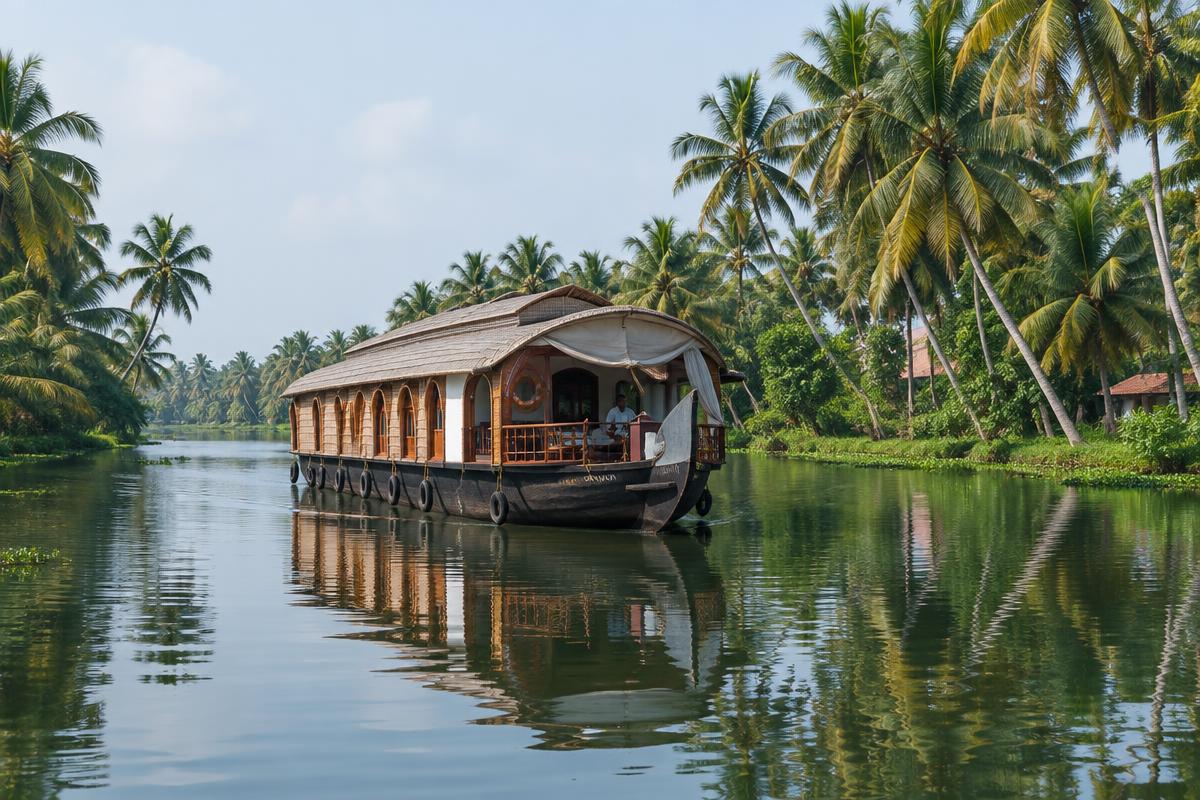
10 Practical Travel Tips Every Traveler Should Know
Simple, proven habits that make every trip smoother, safer and more enjoyable — wherever you're headed.
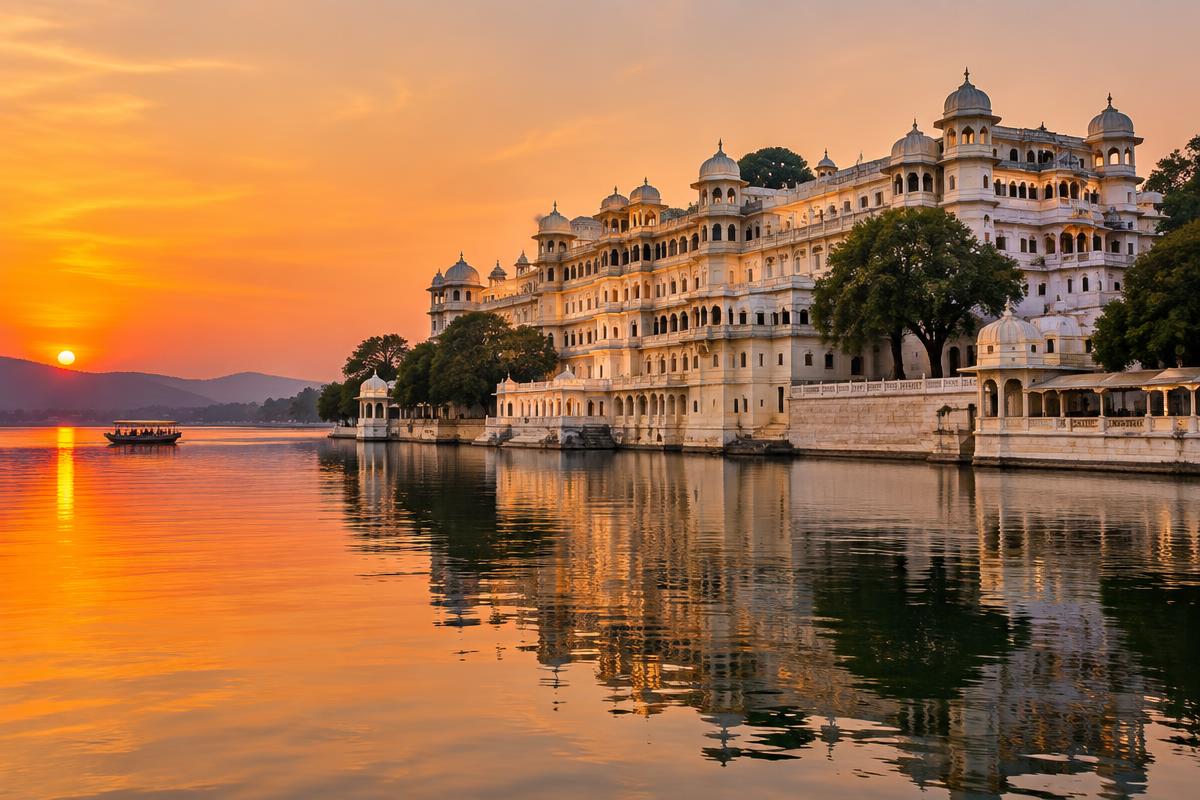
Top 10 Places to Visit in India
Discover some of India's most beautiful destinations, from peaceful hill stations to historic cities and tropical beaches.