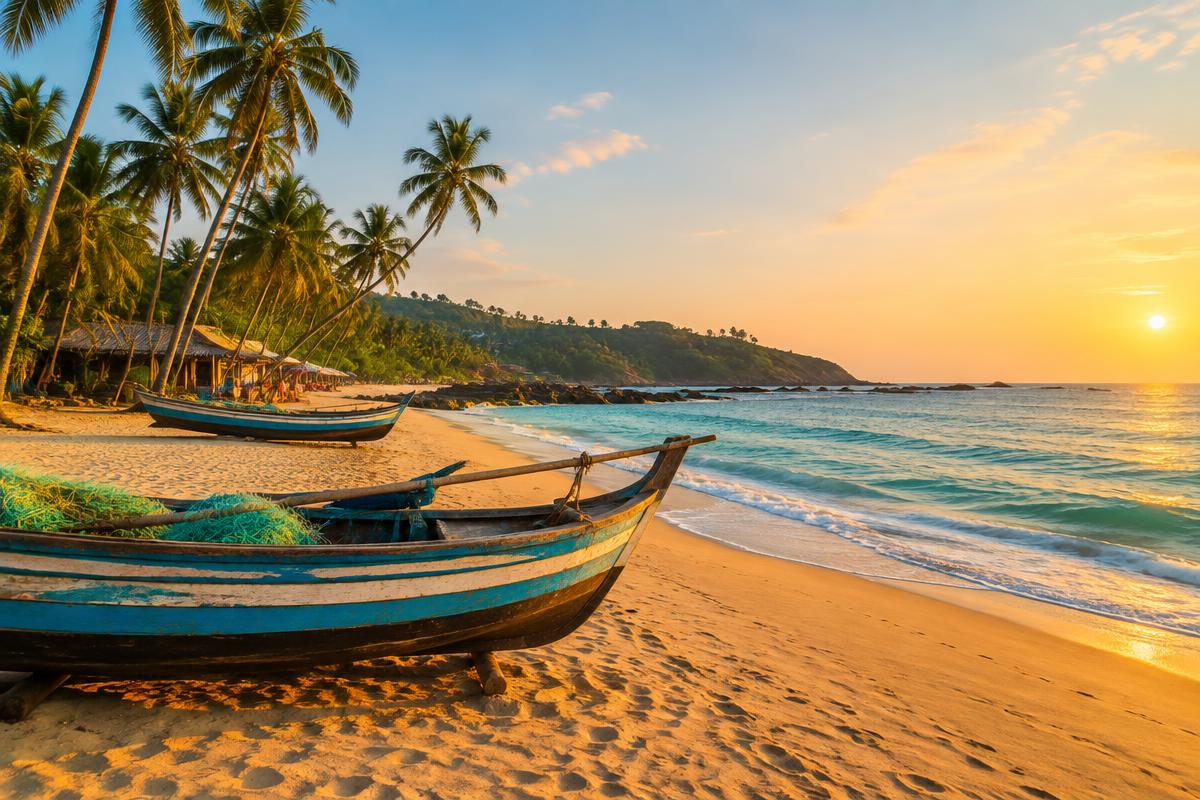
A Complete Travel Guide to Goa
By Maria Fernandes9 min read
Goa has a reputation as India's party state, but that is only one small part of the picture. Away from the busiest stretches you will find fishing villages, sleepy river islands, spice farms and heritage towns with a distinctly Indo-Portuguese character. This guide will help you match Goa to the kind of trip you want.
Best time to visit
November to February is the most popular period, with pleasant weather and calm seas. March and April are hotter but quieter. The monsoon (June to September) brings lush green landscapes and lower prices, though many beach shacks close and the sea is not safe for swimming.
North Goa vs South Goa
North Goa — think Baga, Calangute, Anjuna and Vagator — is livelier, with markets, nightlife and more budget stays. South Goa, including Palolem, Agonda and Benaulim, is calmer, with wider beaches and a slower pace. Many travellers split their time between the two.
Beaches worth your time
Each beach has a different mood. Choose based on whether you want activity or quiet.
- Palolem — a crescent bay great for kayaking and sunsets.
- Agonda — long, peaceful and good for unwinding.
- Ashwem and Mandrem — relaxed northern options with fewer crowds.
- Butterfly Beach — a small cove reachable by boat or a short trek.
- Colva and Benaulim — wide sands popular with families.
Local food
Goan cuisine blends Konkani and Portuguese influences. Try fish curry rice, prawn balchão, chicken xacuti, pork vindalho and the layered dessert bebinca. Breakfast of poi bread with a simple bhaji at a local café is a small but memorable pleasure.
Activities
Beyond the beach, take a spice farm tour near Ponda, cruise the Mandovi river, watch dolphins on an early boat trip or visit Dudhsagar Falls in the post-monsoon months. Water sports operate in season from the main beaches.
Places to explore
Old Goa's Basilica of Bom Jesus and Se Cathedral are UNESCO-listed. In Panaji, wander through the Latin Quarter of Fontainhas with its colourful houses. Chapora Fort offers sweeping views, and the island of Divar feels frozen in time.
Budget considerations
Goa suits many budgets. Hostels and guesthouses are plentiful in the north, while boutique stays are common in the south. Renting a scooter is the most flexible way to get around; always wear a helmet and carry your licence. Prices rise sharply around Christmas and New Year.
Safety tips
Swim only where lifeguards are present and respect red flags. Keep valuables secure on the beach, avoid isolated stretches late at night and stay sensible with alcohol, especially near the water.
Suggested itinerary
A five-day plan gives a balanced taste of the state.
- Day 1: Panaji, Fontainhas and a sunset river cruise.
- Day 2: Old Goa churches and a spice farm near Ponda.
- Day 3: North Goa beaches and Chapora Fort.
- Day 4: Move south; afternoon at Palolem or Agonda.
- Day 5: Kayaking, Butterfly Beach and a slow seafood dinner.
Conclusion
Goa is at its best when you slow down. Rent a scooter, follow quiet lanes to small chapels and cafés, and leave the busiest beaches for an evening or two. You will discover a gentler, more interesting Goa.
Back to ArticlesRelated Articles
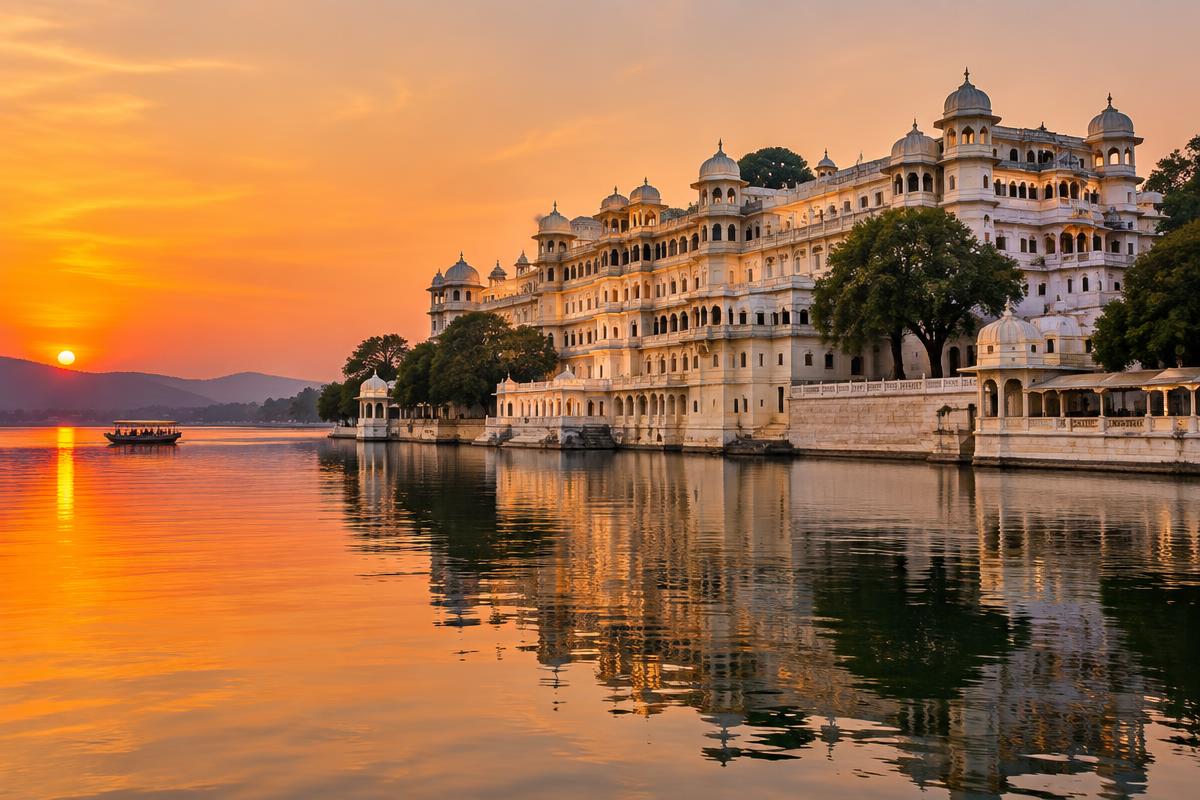
Top 10 Places to Visit in India
Discover some of India's most beautiful destinations, from peaceful hill stations to historic cities and tropical beaches.
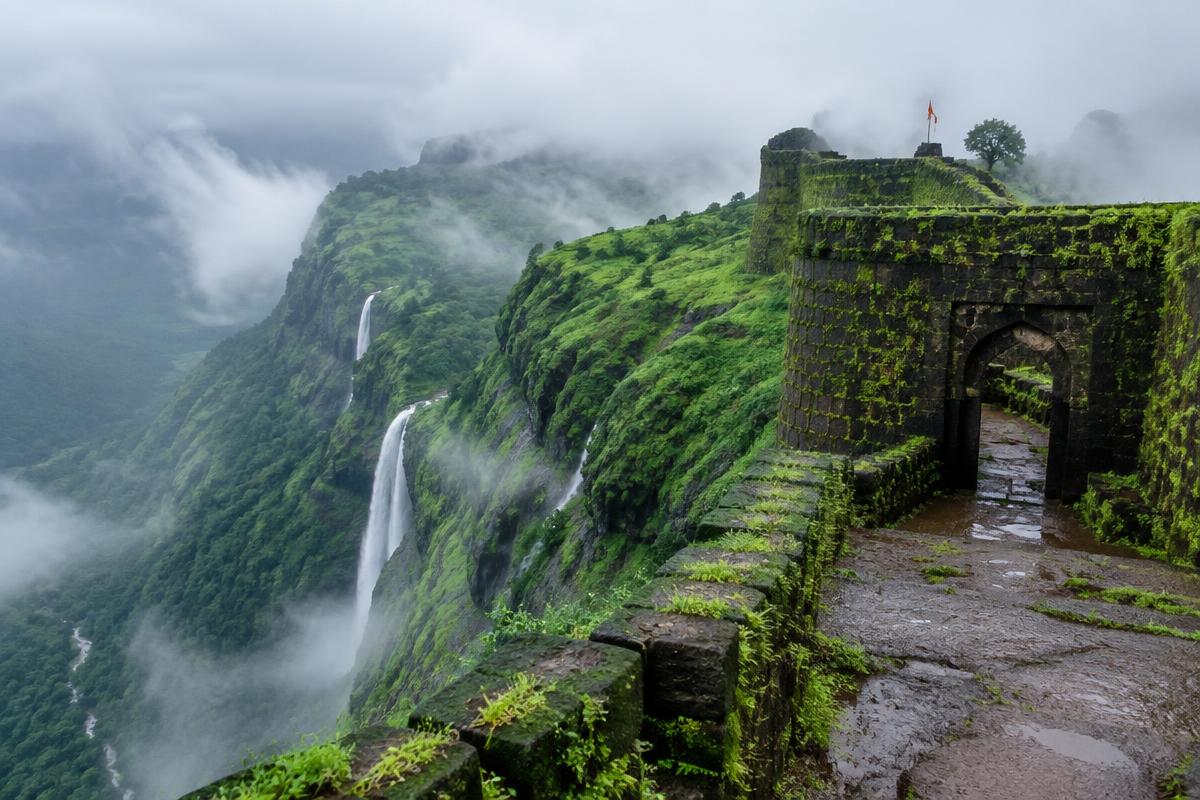
Best Places to Visit in Maharashtra
From misty hill stations and sea forts to cave temples and buzzing cities, Maharashtra packs a whole country's worth of variety.
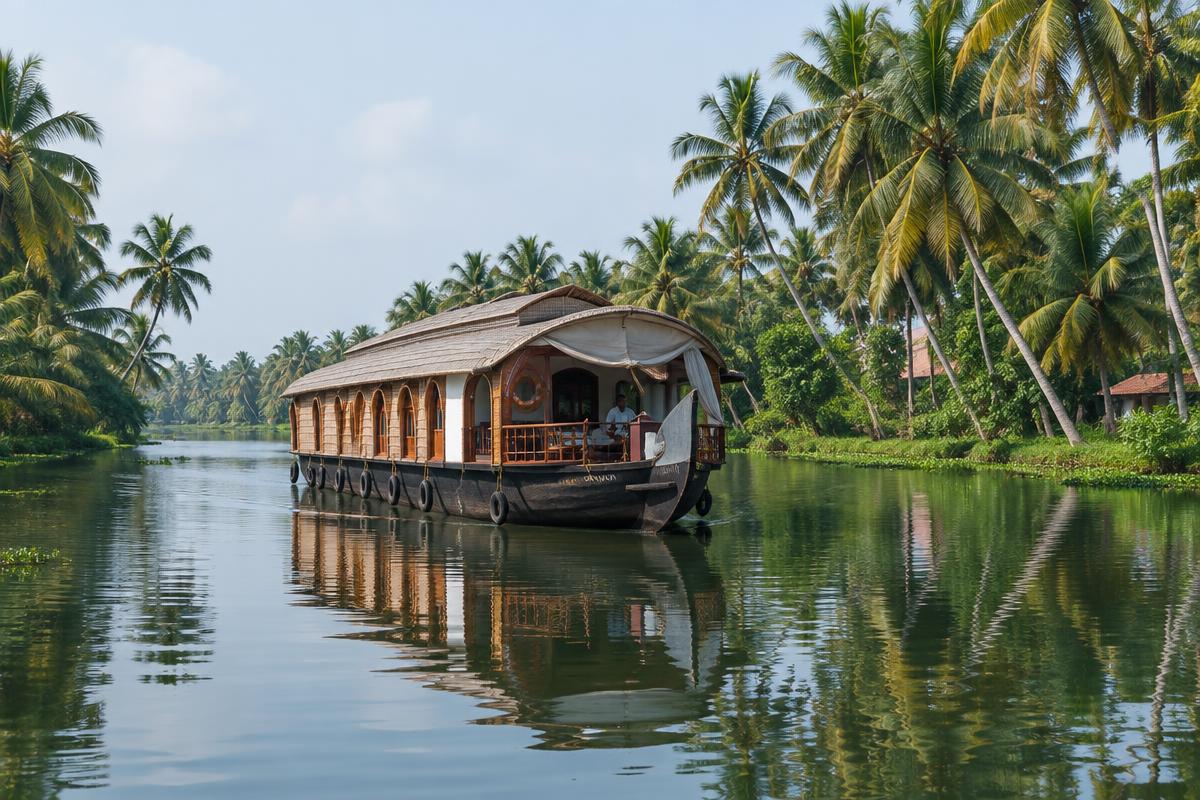
Exploring the Beauty of Kerala
Backwater houseboats, misty tea gardens and coastal culture — a guide to God's Own Country.