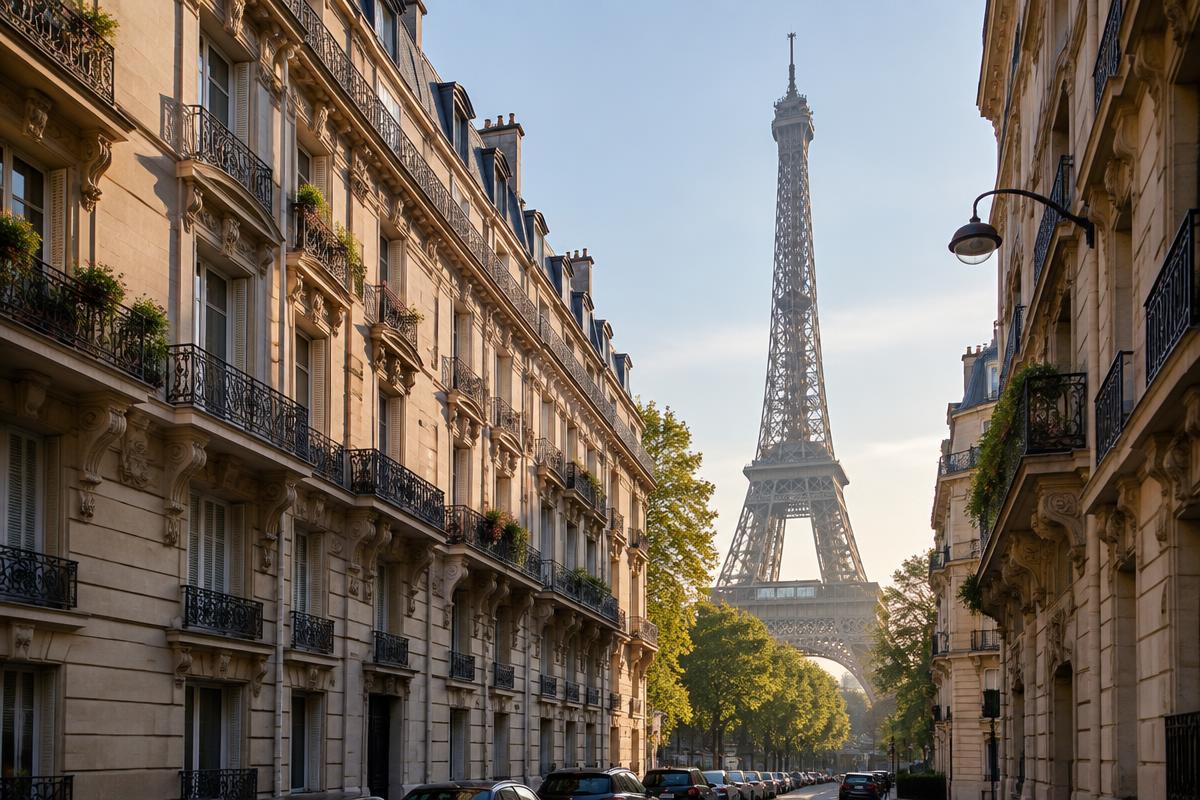
A Traveler's Guide to Paris
By Claire Moreau8 min read
Paris has been inspiring travellers for centuries, and it is easy to see why. Its grand boulevards, intimate neighbourhoods and riverside views reward walking at every turn. This guide covers the essentials, along with ways to see the city beyond its postcard landmarks.
Eiffel Tower
Built for the 1889 World's Fair, the Eiffel Tower is the city's defining symbol. Book tickets in advance to reduce waiting. For a classic view without the climb, head to the Trocadéro or the Champ de Mars, especially when it sparkles after dark.
The Louvre
The world's most-visited museum holds treasures from antiquity to the 19th century. Rather than trying to see everything, choose a few wings. Booking a timed entry is strongly recommended.
Montmartre
Climb up to the Sacré-Cœur Basilica for views across the city, then wander the hilltop village's cobbled streets, artists' squares and vineyards. Visit early in the day for a quieter experience.
The Seine
A walk along the Seine connects many of Paris's highlights — from Notre-Dame and the Île de la Cité to the Musée d'Orsay. River cruises provide a relaxing overview, particularly at dusk.
French food
Start with a fresh croissant from a neighbourhood boulangerie, and enjoy a long lunch at a bistro with a set menu. Markets like Marché d'Aligre and the Rue Cler offer cheese, bread and fruit for a picnic in a park.
Museums
Beyond the Louvre, the Musée d'Orsay is known for Impressionist works, the Musée de l'Orangerie for Monet's Water Lilies and the Centre Pompidou for modern art. Many national museums offer free entry on certain days for specific visitors — check official sites.
Neighbourhoods
Each arrondissement has its own character. Le Marais is historic and lively, Saint-Germain-des-Prés is literary and elegant, Canal Saint-Martin feels young and relaxed, and the Latin Quarter is full of students and bookshops.
Travel tips
The Métro is the fastest way around. Be aware of pickpockets in crowded tourist areas and on public transport. Learn a few French phrases — a simple 'Bonjour' when entering shops goes a long way.
Responsible tourism
Stay in licensed accommodation, support independent shops and cafés, and consider visiting in shoulder seasons to reduce pressure on busy sites. Respect residents in quieter neighbourhoods by keeping noise down.
Conclusion
Paris is not a city to rush. Leave space for long lunches, aimless wandering and evenings by the river, and you'll discover the everyday charm that keeps travellers coming back.
Back to ArticlesRelated Articles
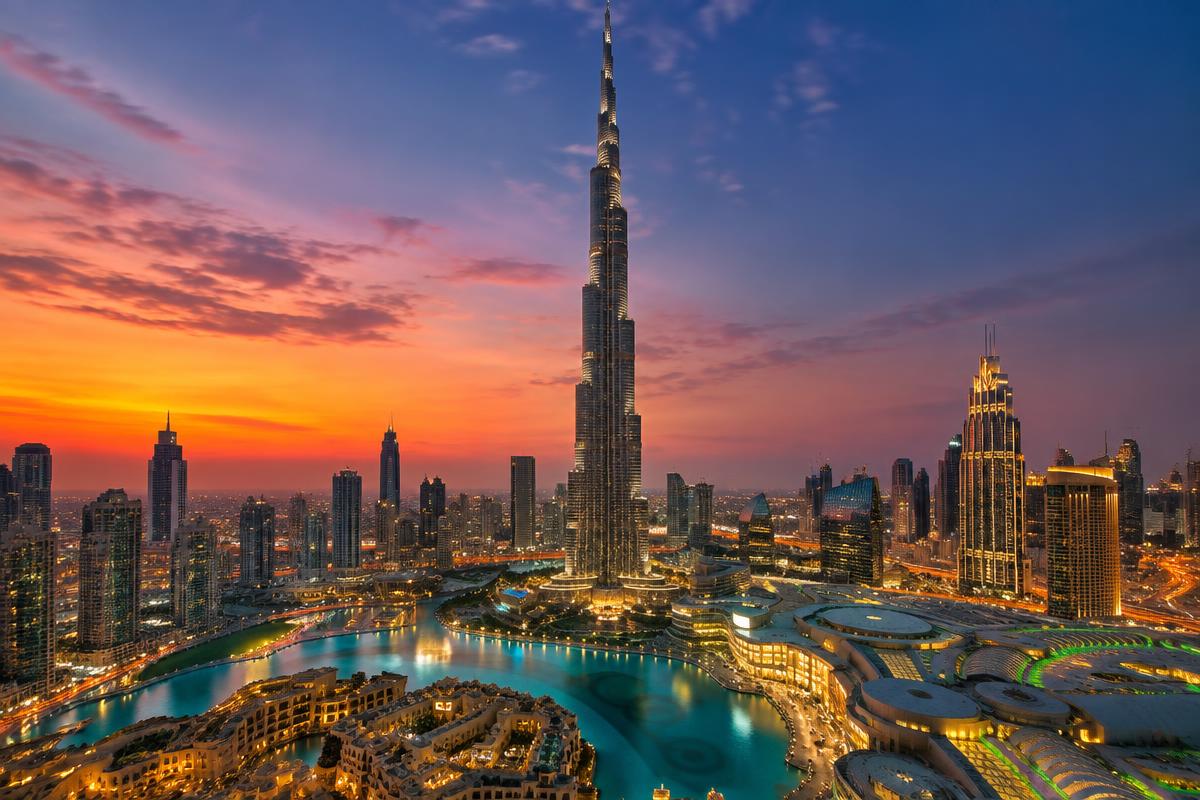
Exploring Dubai: Modern Luxury and Arabian Culture
Beyond the skyscrapers: souks, desert dunes, heritage quarters and practical tips for visiting Dubai.
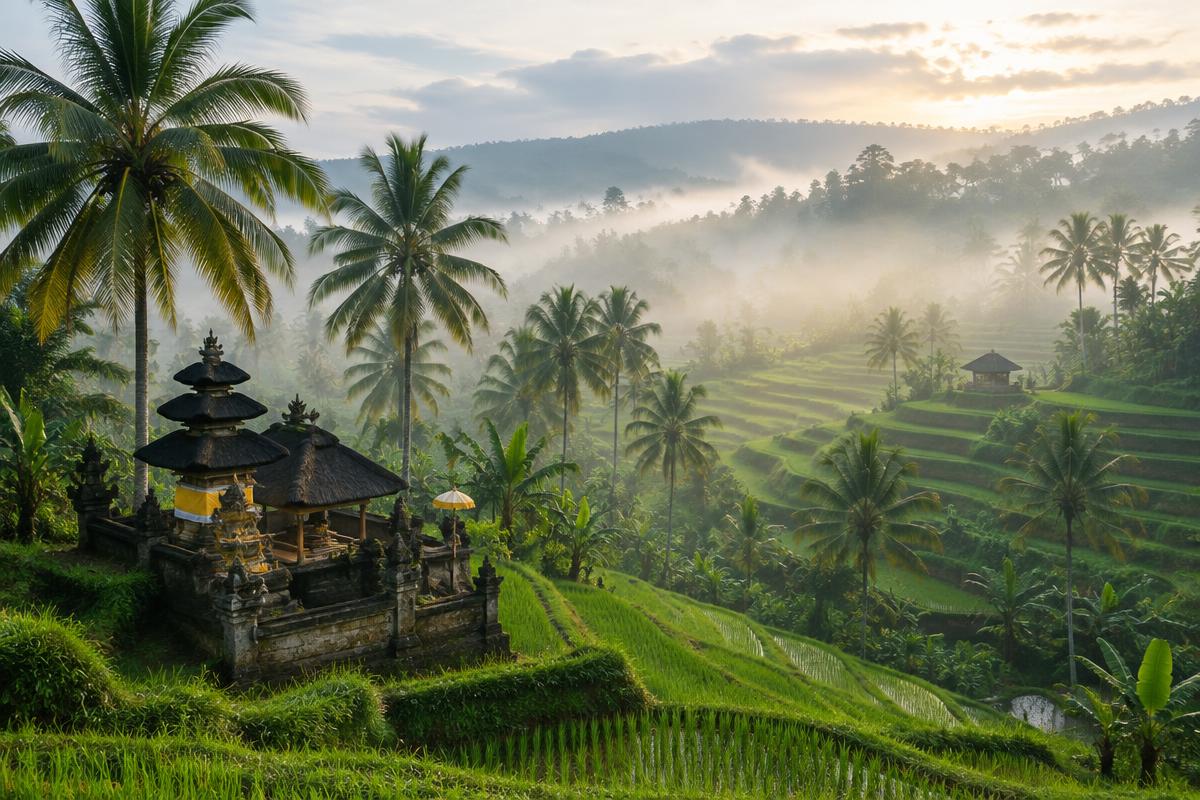
Best Places to Visit in Southeast Asia
Temples, islands, street food and vibrant cities — a regional guide for first-time Southeast Asia travellers.
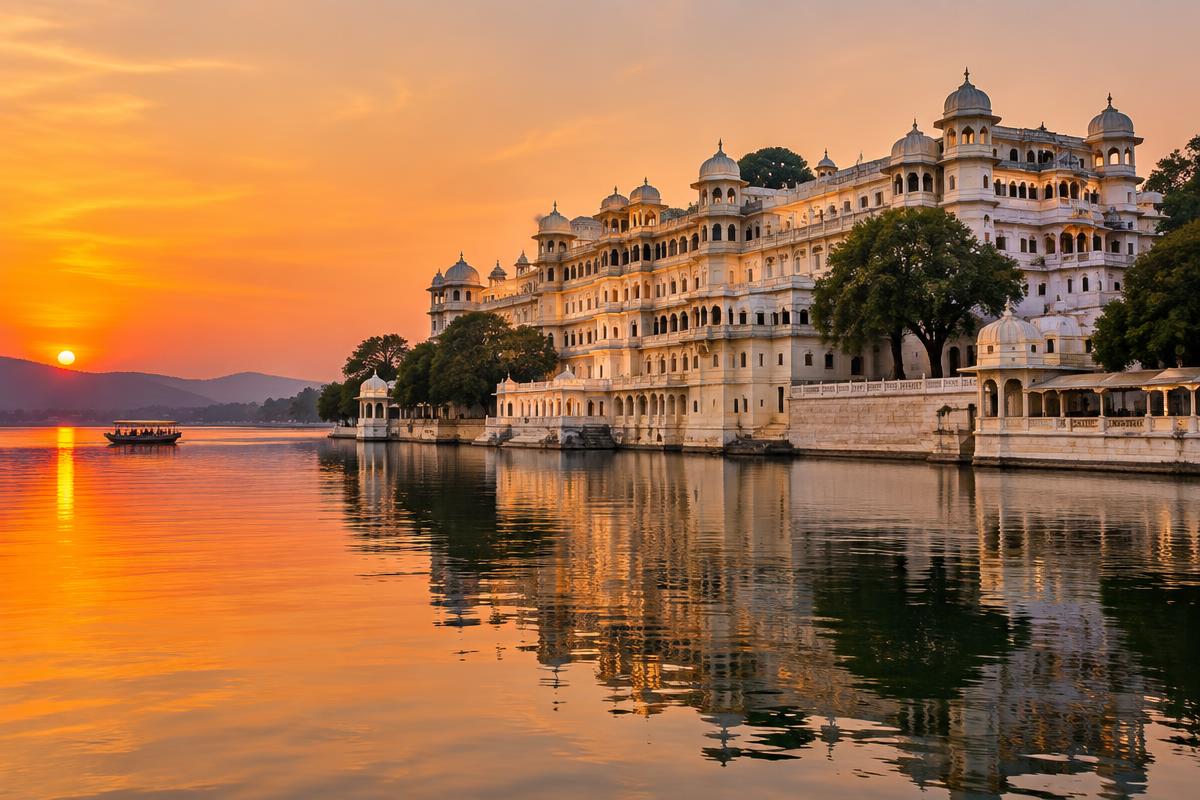
Top 10 Places to Visit in India
Discover some of India's most beautiful destinations, from peaceful hill stations to historic cities and tropical beaches.