
How to Plan a Budget-Friendly Trip
By Priya Menon8 min read
Travelling on a budget is less about deprivation and more about priorities. The trick is knowing where to save so you can spend on the things that make a trip memorable. Here is a practical framework that works for weekend breaks and long journeys alike.
Setting a budget
Start with a total figure, then split it into transport, accommodation, food, activities and a buffer. Research typical daily costs for your destination from recent traveller reports and official tourism sites. Track spending daily using a simple app or notebook.
Transportation
Transport often takes the biggest share. Compare trains, buses and flights, and look at overnight options that also save a night's stay. Flexible dates can make a significant difference to fares. Within cities, public transport and walking are usually cheapest.
Accommodation
Hostels, guesthouses and homestays offer good value and often include local insight. Staying slightly outside central areas can cut costs while remaining well connected. Read recent reviews to make sure 'cheap' doesn't mean unsafe or unclean.
Food
Eating where locals eat is both cheaper and more authentic. Markets, street food stalls and simple family restaurants offer excellent value. Carry a refillable water bottle and some snacks to avoid impulse spending.
Activities
Many great experiences are free: walking tours, parks, beaches, viewpoints and local festivals. Check for city passes or combined tickets, and free museum days where available.
Booking strategy
Book transport and accommodation early for peak seasons and holidays, but keep some flexibility. Free cancellation options let you lock in a price while keeping plans open.
Travel insurance
Insurance may seem like an easy cost to cut, but a medical emergency or cancelled trip can wipe out savings many times over. Compare policies and read what is actually covered.
Emergency funds
Keep a separate reserve — ideally on a different card or account — for unexpected costs like missed connections or medical needs. Do not count this money as part of your spending budget.
Common mistakes
Budget trips often go wrong in predictable ways.
- Trying to see too many places and spending everything on transport.
- Ignoring card and currency exchange fees.
- Booking the cheapest option without checking location or reviews.
- Forgetting small daily costs like tips, water and local transport.
Conclusion
A smaller budget can actually lead to richer experiences — more street food, more walking, more conversations with locals. Plan carefully, protect yourself with insurance and an emergency fund, and spend where it truly matters to you.
Back to ArticlesRelated Articles

Top 10 Places to Visit in India
Discover some of India's most beautiful destinations, from peaceful hill stations to historic cities and tropical beaches.

Best Places to Visit in Maharashtra
From misty hill stations and sea forts to cave temples and buzzing cities, Maharashtra packs a whole country's worth of variety.
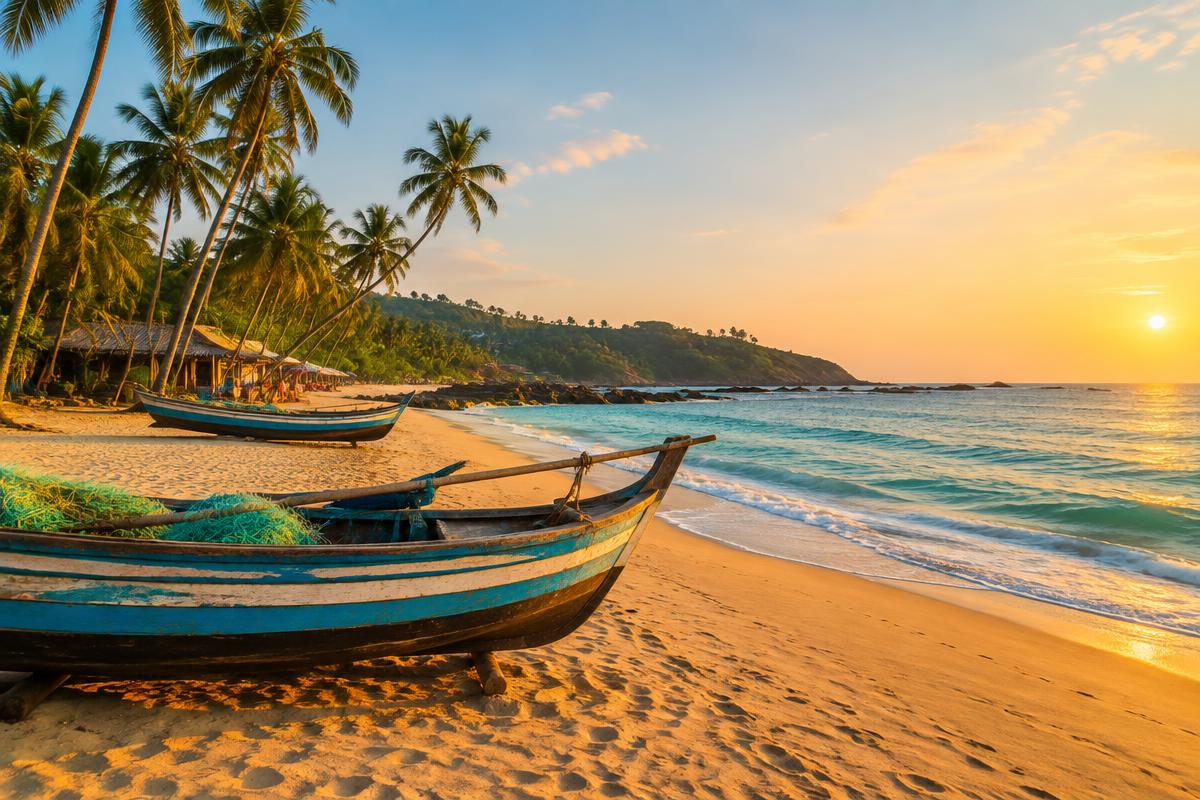
A Complete Travel Guide to Goa
Everything you need to plan a relaxed Goa trip: when to go, North vs South, beaches, food, budget and a simple itinerary.