Exploring the Heritage of Jaipur
By Meera Shekhawat8 min read
Founded in 1727 by Maharaja Sawai Jai Singh II, Jaipur was one of India's first planned cities, laid out in a grid with wide avenues. Its buildings were painted terracotta pink in the nineteenth century, giving it the nickname the Pink City. Today it is a UNESCO World Heritage city and the starting point of many Rajasthan journeys.
Amber Fort
Perched on a hill above Maota Lake, Amber (Amer) Fort combines Rajput and Mughal architecture. The Sheesh Mahal, a hall covered in tiny mirrors, glitters even in low light. Arrive early to avoid crowds and midday heat, and consider walking up rather than taking an elephant ride.
City Palace
Still partly home to the royal family, the City Palace has courtyards, museums of textiles and weapons, and four ornate gates in the Pritam Niwas Chowk representing the seasons. A guide helps bring its stories to life.
Hawa Mahal
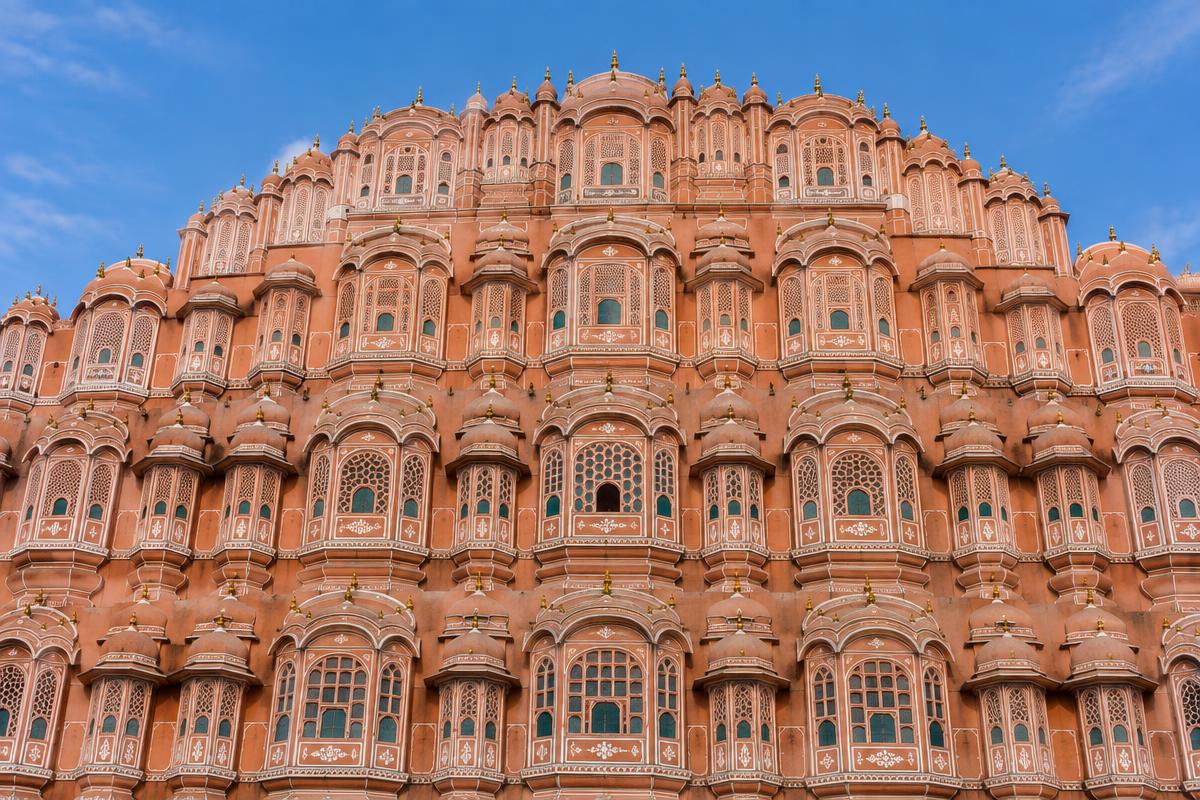
The Palace of Winds is Jaipur's most photographed façade. Its 953 small windows allowed royal women to watch street life without being seen. For the best view, visit a rooftop café opposite in the early morning light.
Jantar Mantar
This collection of giant astronomical instruments, built in the 18th century, includes one of the world's largest stone sundials. It is a fascinating reminder of the scientific ambitions of its founder.
Local markets
Johari Bazaar is known for jewellery, Bapu Bazaar for textiles and mojari shoes, and Tripolia Bazaar for brassware and lac bangles. Bargaining is expected in many stalls — do it politely and with a smile.
Rajasthani cuisine
Try dal baati churma, gatte ki sabzi, ker sangri and laal maas. A thali gives a good overview. Finish with a glass of lassi from an old shop in the walled city, or ghewar during festival seasons.
Cultural experiences
Watch a block-printing demonstration in nearby Sanganer or Bagru, attend a folk music and dance evening, or take a heritage walk through the old city's havelis and temples.
Travel tips
October to March is the best season. Composite tickets can cover several monuments and save money. Dress modestly, carry water and wear comfortable shoes for fort ramps and steps.
Conclusion
Jaipur is a city best explored slowly, from early-morning forts to evening markets. Give it at least two full days and it will reward you with colour, history and hospitality at every turn.
Back to ArticlesRelated Articles
Top 10 Places to Visit in India
Discover some of India's most beautiful destinations, from peaceful hill stations to historic cities and tropical beaches.
Best Places to Visit in Maharashtra
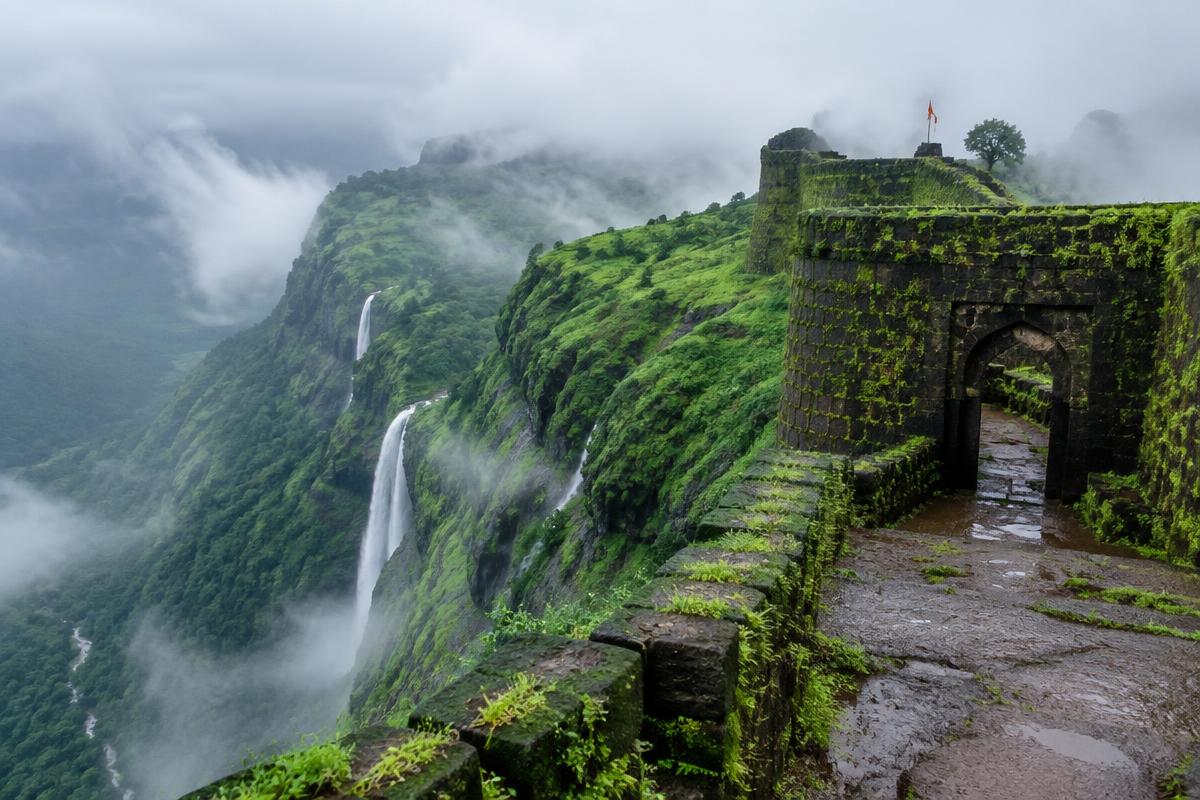
From misty hill stations and sea forts to cave temples and buzzing cities, Maharashtra packs a whole country's worth of variety.
A Complete Travel Guide to Goa
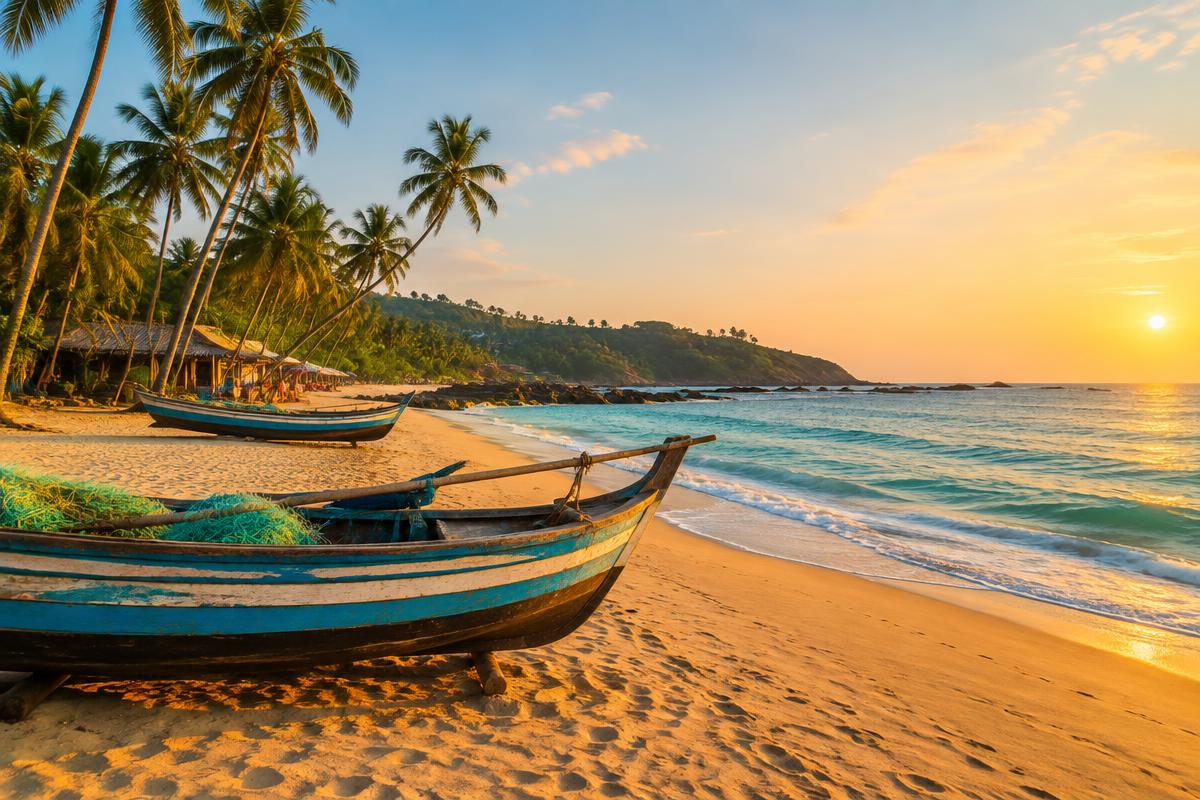
Everything you need to plan a relaxed Goa trip: when to go, North vs South, beaches, food, budget and a simple itinerary.