Top Trekking Destinations in India
By Tenzin Norbu9 min read
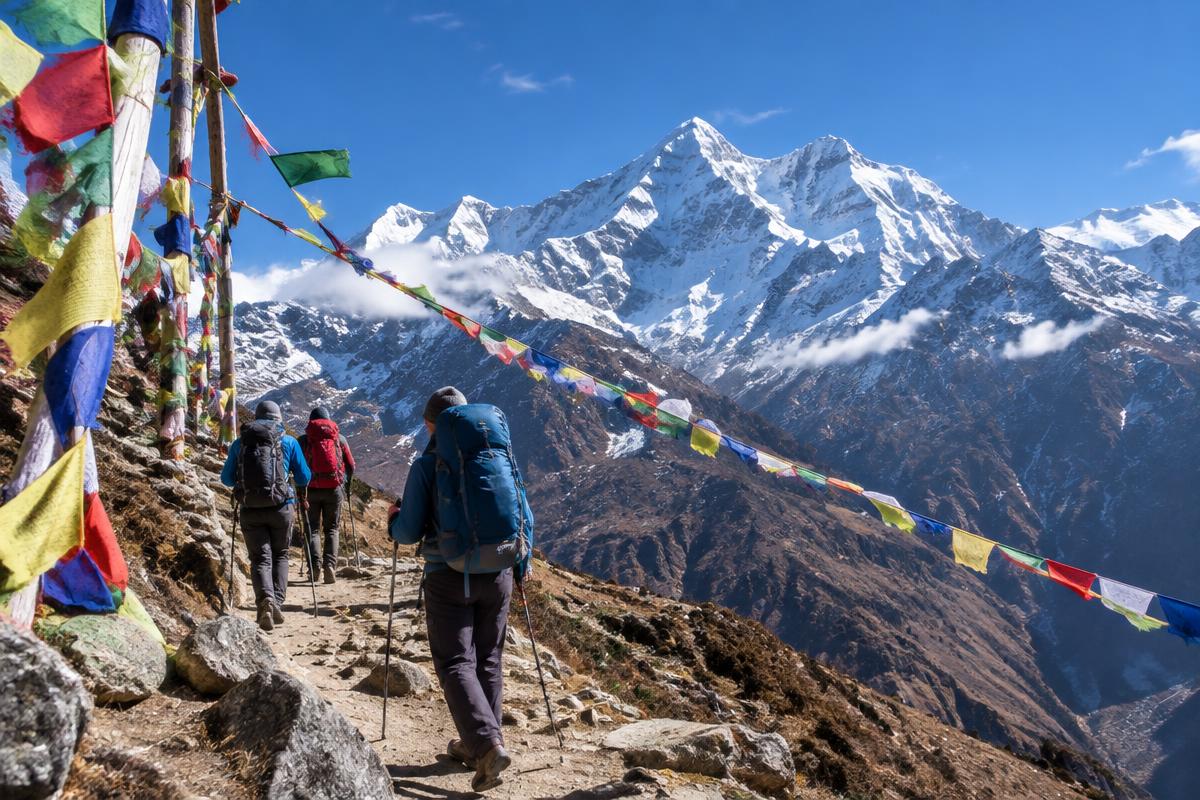
India has some of the most varied trekking terrain in the world: glacier valleys, alpine meadows, monsoon-soaked forests and ancient fort trails. Whether you are a first-timer or an experienced hiker, careful planning makes the difference between a memorable trek and a difficult one.
Himalayan trekking
The Himalayas offer treks ranging from a few days to several weeks. Uttarakhand, Himachal Pradesh, Sikkim and Ladakh each have well-known routes. Higher treks require acclimatisation and are usually best done with experienced, registered trekking organisations.
Western Ghats
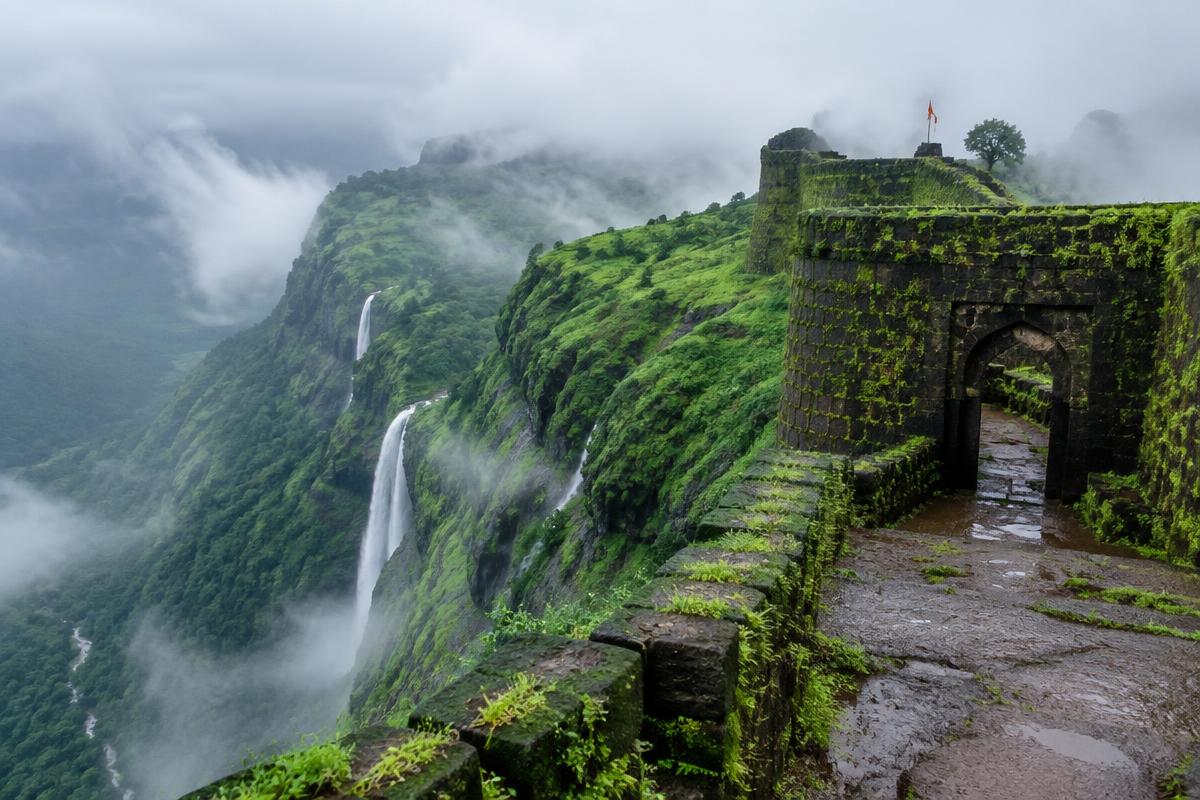
The Western Ghats, running through Maharashtra, Karnataka and Kerala, are perfect for shorter treks. Monsoon turns them into a world of waterfalls and mist. Popular trails include Rajmachi, Harishchandragad, Kudremukh and Chembra Peak.
Beginner-friendly treks
If you are new to trekking, start with routes that have moderate altitude and well-marked trails.
- Triund (Himachal Pradesh) — a short climb with views of the Dhauladhar range.
- Nag Tibba (Uttarakhand) — a good weekend Himalayan introduction.
- Kedarkantha (Uttarakhand) — a popular winter snow trek.
- Rajmachi (Maharashtra) — a gentle fort trek, beautiful in monsoon.
More challenging treks
Experienced trekkers may consider longer, higher routes such as Hampta Pass, Roopkund, the Kashmir Great Lakes or the Goechala trek in Sikkim. These involve long days, high altitude and unpredictable weather.
Preparation
Start building fitness at least four to six weeks before a high-altitude trek with walking, stair climbing and cardio. Learn the symptoms of altitude sickness and never ignore them.
Essential equipment
Good gear keeps you safe and comfortable.
- Broken-in trekking shoes with good grip.
- Layered clothing: base layer, fleece and waterproof jacket.
- Headlamp, water bottles and purification tablets.
- Basic first-aid kit and personal medicines.
- Sun protection: hat, sunglasses and sunscreen.
Safety
Check weather forecasts, inform someone of your plan and register with local authorities where required. Turn back if conditions worsen — the mountain will still be there next season.
Responsible trekking
Carry back all your waste, stay on marked trails, avoid loud music and respect local communities and shrines. Choose operators that follow leave-no-trace practices.
Conclusion
Trekking in India can be life-changing. Start where your experience fits, prepare properly and treat the mountains with respect, and each trail will bring you closer to wilder, quieter landscapes.
Back to ArticlesRelated Articles
Manali Travel Guide: Mountains, Adventure and Nature
Snow-capped peaks, apple orchards and adrenaline — how to plan the perfect Manali trip in any season.
Best Hill Stations to Visit in India
Cool air, pine forests and mountain views — the hill stations that make India's summers bearable and its winters magical.
Top 10 Places to Visit in India
Discover some of India's most beautiful destinations, from peaceful hill stations to historic cities and tropical beaches.